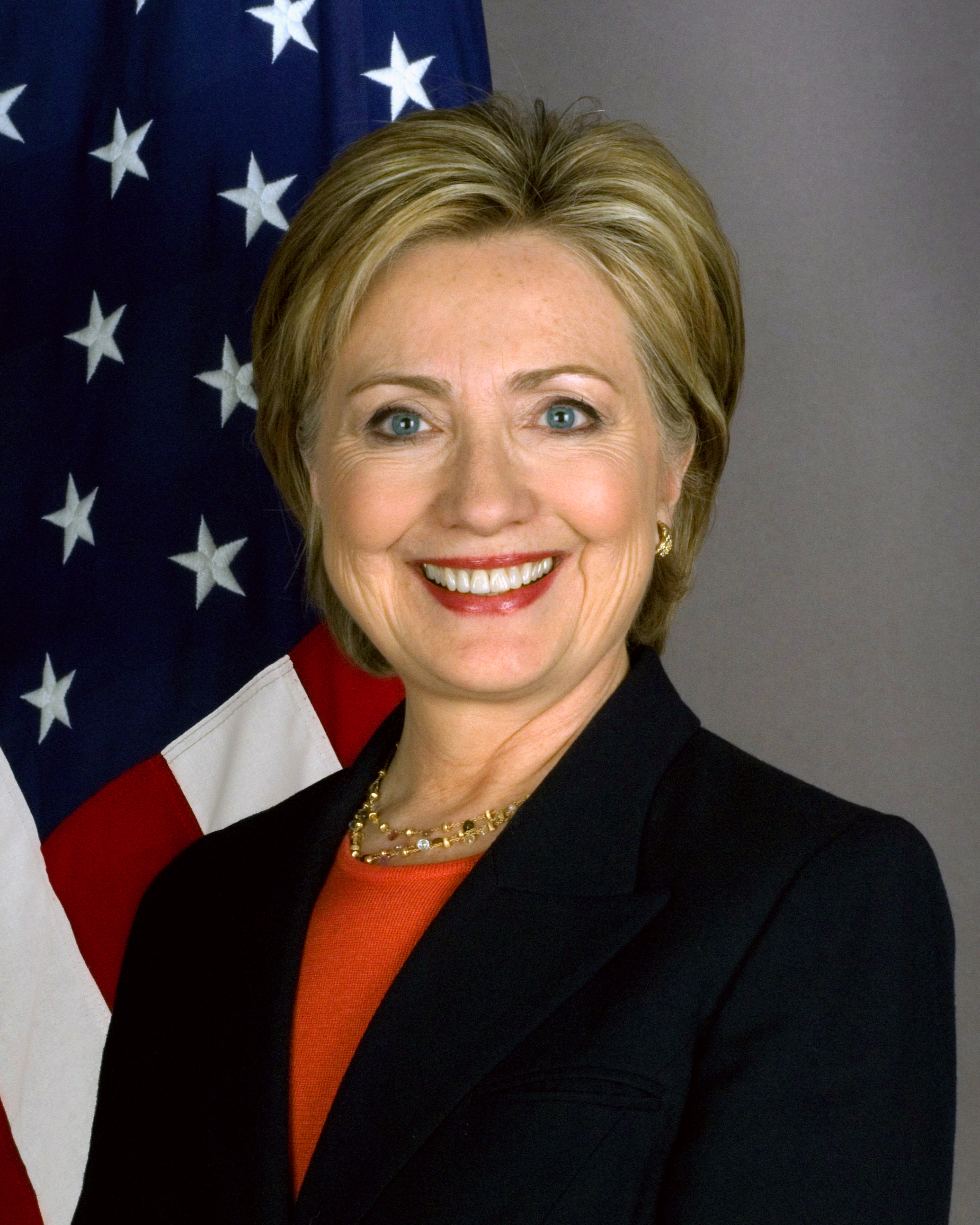
So the way teachers could teach about this would be to talk about some of the issues that Trump and Clinton debate about. For example, teachers can teach about gender and LGBT issues in the debate to help students themselves get a better grasp on the topic and help them learn about which candidate has the best plan to resolve this issue. Other topics could be about race/ethnicity, religion, economy, war, etc. All these topics are all important and need to be taught to students in schools by there teachers.
Wednesday, October 19, 2016
Election 2016 (NY Times)
This election is going down as the most odd elections in the history of the U.S. So it's important for teachers to teach about this topic. This article suggests a whole 4-part unit to teach students. Its first suggestion that teachers should teach there students is to introduce each of the candidates running, Donald Trump, and Hillary Clinton. Secondly it suggests teachers should teach about the issues at stake. Next it suggests that teachers should show the students each candidates campaign, and there strategies to running them. Lastly it suggests that teachers should have the students think about and talk about it themselves.
Wednesday, October 12, 2016
Safe Spaces (Reflection)
In my high school there is one individual that stands out a lot more than others just because of what she went through to make a change in the community. This individual was a transgender. Was a male but now goes by a female. She really wanted to change my high school and make it a LGBT safe area. She did this by having herself, friends, and family help raise the importance to respect all people. They held public meetings and announcements. It truly was an outstanding thing and I'm glad I was one to see this and learn about it.
Wednesday, October 5, 2016
Unlearning The Myths That Blind Us (Extended Comments)
In Christensen's "Unlearning The Myths That Blind Us," she explains how cartoons have a strong influence on kids at an early age. A fellow classmate of mine Stephanie Warren recently wrote a reflection about Christensen's article and made a lot of good points. The first thing Steph said that I really liked was about Christensen's idea of "Secret Education." Steph goes on to talk about how parents let their kids watch programs without realizing outcomes they could possibly have. So many cartoons/characters make violent, racial, or stereotypical references, and with kids watching these cartoons who knows how they interpret from it.
Another thing Steph brings up about the article is how one of Christensen's students asked why there is no black Cinderella? I really like how she answers this with another question to viewers of this movie. She says "Do we think of these things while watching Disney movies." Something I would like to add in here is why are all princesses have perfect bodies? This is telling young girls that princesses are perfect, and if your not like them your not a princess. After Steph talks about the Cinderella question, she goes on to talk about "Thomas the Tank Engine." I fully agree with her that "Thomas," was a very good show for kids because it was very neutral and had some good lessons in it.
The last thing I liked that Steph did was reflect on what she watched when she was a child. I like how she just looked at the title of "Wait Till Your Father Gets Home," and realized the gender stereotype in the title itself. Shows like this were loved by a lot of viewers but it's taken a while to see that there was heavy stereotyping going on in it. Lastly she talks about how she watched "Tom and Jerry." There is lots of violence in this show and this could have a negative effect on children, as Christensen points out. Also Steph adds in how she could remember a maid in a lot of episodes and how she was black, and heavy set. Like she said, she never questioned it. Until now when we think of it, and how racism and gender rolls are portrayed in the show.
One thing I would add in to this would be how Christensen says that there can be a lot of sexism in Disney movies we may not realize. Like how the females are trying to get a man, and how the men usually are trying to save or rescue the females.
Points of Discussion? How many shows can you think of that have "Secret Education" in them?
Sunday, September 11, 2016
U.S.A. Land of Limitations? By Nicholas Kristof
In Kristof's article he states that where you start off is where you end up. This may sound false as America is usually seen as the place for opportunity, but sadly only few people live the american dream. “The chance of a person who was born to a family in the bottom 10 percent of the income distribution rising to the top 10 percent as an adult is about the same as the chance that a dad who is 5 feet 6 inches tall having a son who grows up to be over 6 feet 1 inch tall,” Krueger observed in a speech. “It happens, but not often.” (Kristof) Starting in the lower class usually means you stay in the lower class, but it's saying there is always a chance of moving up to a higher class but it's not likely. That's why it compares it to a father being 5ft 6in tall, having a son being 6ft 1in tall. It's possible but not likely.
The next point Kristof brings up was about a man named Rick. “Rick Goff was smart, talented and hard working, but he faced an uphill struggle from birth; I wrote about him last year as an example of the aphorism that “talent is universal, but opportunity is not.” (Kristof) This quote to me is very important and relates to the whole article well. It's explaining how this guy Rick was very smart but came from a bad childhood. So he had all the potential to make it big, but since started off in a low class gave him a lack of opportunity.
This last point by Kristof explains how you need a good environment to be successful. “Some think success is all about “choices” and “personal responsibility.” Yes, those are real, but it’s so much more complicated than that.” (Kristof) This quote is saying that a persons choices is what leads to success. But it's got a lot more to it to reach a more successful life. Like I said with the environment, the better a child is raised is going to help them more than a child who has very little parental influence.
I would personally like to say my opinion on this article. I agree with this article because what a person starts with, is what they will end with. A person who is raised in an upper class family and is raised well and is taught good life values, that person is going to have good opportunity to have a good life. But a person who is born into a lower class family and has little to no parental guidance is not going to have the same opportunities as an upper class person.
Introduction
My name is Joshua and I am a Sophomore here at RIC. My major is Physical Education and Health. I am from Hope Valley, Rhode Island, and went to Chariho High School. Over the summer I worked a lot. I am the manager at an Ice cream and pizza shop in Westerly RI, called Dusty's and Breachway Pizza. When I wasn't at work I was usually hanging out with friends or going to Maine because my family owns a cabin up there. My biggest hobby is being an athlete. I'm one of the assistant coaches for my high school's wrestling team. I've wrestled almost all my life and love to stay involved with the sport. Another thing I love to do is travel with my family. I am a family oriented person, I love to be with my family.
Me wrestling my senior year.
Me and my dad in France.
Me and my cousins.
Subscribe to:
Posts (Atom)

